
Leading Fire Damage Restoration Products For Safe Recovery
Identify high-performance products designed to facilitate safe and thorough fire damage repairs.
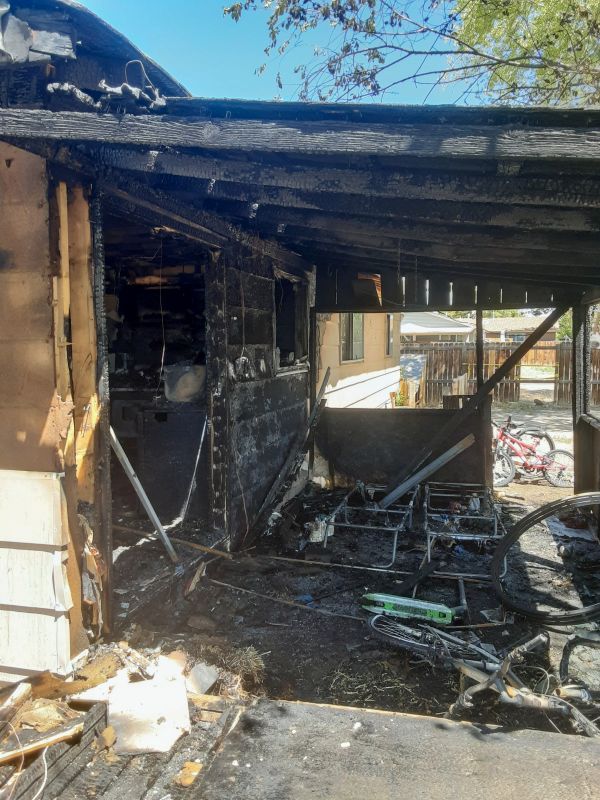 Fire restoration products are essential tools and materials used to address the aftermath of fire damage in residential, commercial, or industrial settings. These products help mitigate further deterioration, remove soot and smoke residues, and restore the structural integrity of affected areas. When dealing with fire damage, it is important to select appropriate products that can effectively clean, seal, and protect surfaces to facilitate the restoration process. Proper use of these materials can significantly improve the efficiency of cleanup efforts and help restore spaces to their prior condition.
Top Overall Option
Multi-Purpose Fire Restoration Cleaner and Sealant
A versatile product designed to clean soot, smoke residues, and odors while providing a sealing layer that prevents future contamination. Suitable for use on multiple surfaces including drywall, wood, and concrete, it simplifies the restoration process by combining cleaning and sealing functions in one application.
Types of Products For Fire Restorations
Soot and Smoke Residue Cleaners
Specialized cleaning agents formulated to remove soot and smoke deposits from various surfaces without causing damage.
Odor Neutralizers
Products designed to eliminate smoky odors from indoor environments, often through chemical or enzymatic action.
Fire-Resistant Sealants
Sealants that block odors and prevent soot from penetrating porous materials, aiding in long-term restoration.
Structural Reinforcement Materials
Reinforcing products such as fire-resistant drywall, coatings, and wraps to restore structural integrity.
Corrosion Inhibitors
Protective coatings that prevent rust and corrosion on metal surfaces affected by fire and smoke.
Protective Clothing and Respirators
Safety gear essential for handling hazardous residues and working safely during restoration.
Fire-Resistant Paints and Coatings
Coatings applied to surfaces to improve fire resistance and reduce further damage.
Drywall and Wall Repair Products
Materials for repairing and replacing damaged drywall and wall surfaces after fire incidents.
Electrical System Restoration Supplies
Tools and materials for safely restoring electrical systems affected by fire damage.
Water and Mold Remediation Products
Supplies to address secondary issues like water damage and mold growth resulting from firefighting efforts.
Cleaning Cloths and Brushes
Tools for applying cleaning agents and scrubbing soot from various surfaces.
Fire Damage Assessment Tools
Equipment used to evaluate the extent of damage and plan restoration strategies.
Smoke Detectors and Alarms
Devices to help prevent future fire hazards and ensure safety during and after restoration.
Ventilation and Air Purification Devices
Equipment to improve indoor air quality by removing smoke particles and odors.
Fire-Resistant Insulation
Insulation materials that help prevent the spread of fire within structures.
Popular Choices
Widely used for removing soot and smoke residues from surfaces during fire restoration projects.
Trending products for effectively neutralizing persistent smoky odors.
Commonly selected for sealing porous materials and preventing odor seepage.
Popular safety gear for workers handling fire residues and hazardous materials.
Frequently used for coating surfaces to enhance fire resistance.
Popular for restoring walls damaged by fire and smoke.
Commonly employed to improve indoor air quality after fire incidents.
Often used in tandem with fire cleanup to address secondary water issues.
Trending for protecting metal structures affected by smoke and heat.
Frequently utilized to evaluate the scope of damage accurately.
Essential tools for applying cleaning agents and scrubbing soot.
Popular for aiding in smoke removal and improving airflow during restoration.
Increased use following water damage from firefighting efforts.
Often used to passively reduce smoky smells in affected spaces.
Selected for enhancing the fire safety of reconstructed areas.
Trending for restoring electrical safety after fire damage.
Fire damage often leaves behind stubborn soot deposits, smoky odors, and compromised materials. Specialized cleaning agents and degreasers are designed to break down soot and smoke residues without damaging surfaces. Sealants and primers are crucial for blocking odors and preventing soot from penetrating porous materials. Additionally, fire-resistant and corrosion-inhibiting coatings can protect surfaces from future damage and improve the longevity of repairs. It is also important to consider safety equipment such as respirators and protective clothing to ensure safe handling of hazardous residues.
Restoration products vary widely depending on the extent of damage and the specific materials involved. For instance, some products are formulated for use on drywall, wood, metal, or concrete, each requiring different treatment approaches. Proper assessment and selection of these products can streamline the restoration process, reduce costs, and improve outcomes. Consulting with professionals or experienced suppliers can help identify the most suitable solutions for each unique situation, ensuring a comprehensive approach to fire damage recovery.
Overall, the key to effective fire restoration lies in understanding the types of products available and how they can be combined to achieve optimal results. From cleaning agents to protective coatings, having a well-rounded set of tools and supplies can make the restoration process more manageable and less invasive. By choosing the right products, property owners and restoration specialists can work more efficiently to bring affected spaces back to their functional and aesthetic state.
Key Buying Considerations
- Compatibility with different surfaces such as drywall, wood, metal, and concrete.
- Effectiveness in removing soot, smoke residues, and odors.
- Ease of application and drying times for various products.
- Safety features, including low toxicity and proper protective gear requirements.
- Durability and long-term protective qualities of sealants and coatings.
- Compatibility with existing restoration processes and equipment.
- Availability of professional-grade versus DIY-friendly products.
- Secondary benefits such as mold prevention or corrosion resistance.
- Environmental and safety regulations applicable to hazardous residues.
- Cost-effectiveness and value for the scope of the restoration project.
- Availability of comprehensive kits versus individual products.
- User reviews and professional recommendations for reliability.
- Storage and shelf life of products for ongoing or future use.
- Brand reputation and supplier support services.
- Impact on indoor air quality during and after application.